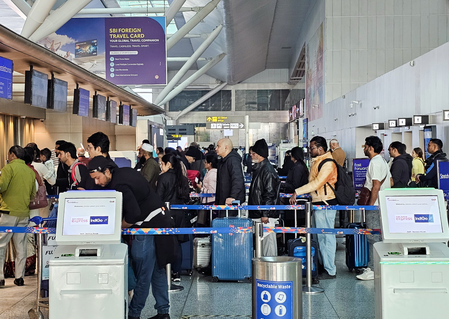
India-Gulf Air Travel Resumes: A Sigh of Relief Amidst Easing Tensions
The skies between India and the Gulf region are once again buzzing with activity, bringing much-needed relief to thousands of travelers who found themselves stranded due to recent geopolitical events. Following temporary airspace restrictions and flight cancellations stemming from the Iran-Israel conflict, airlines are swiftly mobilizing to restore connectivity. This critical resumption marks a significant step towards normalcy, as gulf air travel returns to essential routes, ensuring passengers can finally reach their destinations. Major carriers like Air India and IndiGo have been at the forefront of these efforts, announcing special and scheduled flights to reconnect key Indian cities with vital Gulf hubs.
The recent disruptions caused by the conflict led to widespread airspace closures across several Middle Eastern nations, creating a domino effect of flight cancellations. Many travelers were left in limbo, uncertain about their return journeys. However, with the gradual reopening of these airspaces, airports in major cities such as Dubai and Abu Dhabi are progressively resuming operations. This allows airlines to not only restart essential services but also prioritize the evacuation of stranded individuals, underscoring the resilience and adaptive nature of the aviation industry in times of crisis.
Airlines Step Up: Air India and IndiGo's Strategic Resumption of Services
In response to the urgent need for connectivity, both Air India and IndiGo have demonstrated remarkable agility in restoring services. Their coordinated efforts are central to facilitating the return of passengers and re-establishing vital air links between India and the Gulf.
Air India's Extensive Reconnection Plan
Air India, a cornerstone of India's international air travel, has been particularly proactive in its efforts. The airline released a statement confirming the continuation of its scheduled flights to and from Jeddah and Muscat, routes deemed safe for operations. Beyond regular services, Air India significantly bolstered its schedule by planning additional non-scheduled flights to and from key Gulf cities including Abu Dhabi, Dubai, Muscat, Ras Al-Khaimah, and Sharjah. These special flights, many of which were slated for March 7th, were specifically designed to repatriate stranded passengers back to India.
The airline's commitment was evident in its plan to operate approximately 50 flights on a single day, connecting India with these six crucial Gulf destinations. This extensive network includes both its regular scheduled services and the supplementary flights, made possible by the crucial reopening of airspace over Saudi Arabia and Oman. This strategic move enabled Air India to partially resume its operations and cater to the pressing demand. These flights are connecting major Indian cities such as Delhi, Mumbai, Bengaluru, Kochi, Kozhikode, Mangaluru, and Thiruvananthapuram, ensuring broad national coverage for returnees. Air India emphasized that these additional services received necessary approvals from both Indian authorities and aviation regulators in the Gulf, highlighting a coordinated international effort to restore stability.
IndiGo's Focused Approach Amidst Ongoing Challenges
IndiGo, another prominent Indian carrier, also announced a limited resumption of its flights to the Middle East, operating services to five destinations in the region. The airline acknowledged the persistent challenges and the fact that many travelers were still trying to reach their destinations. To address this, IndiGo developed a carefully considered, limited schedule, continuously monitoring the evolving situation to adjust as needed. Despite these commendable efforts, the airline also faced significant disruptions, leading to the cancellation of 144 international flights scheduled for March 7th due to lingering airspace restrictions. This illustrates the complex and dynamic environment airlines navigate, balancing the need to resume services with the paramount importance of passenger safety and operational feasibility.
Guidance for Travelers: Navigating the Reopened Skies
For passengers planning to travel between India and the Gulf, or those still affected by the recent disruptions, staying informed is crucial. The situation, while improving, can still be fluid. Here are some practical tips and actionable advice:
- Check Official Sources: Always verify your flight status directly through the airline's official website, mobile app, or social media channels. Avoid relying solely on third-party information.
- Airline Communication: Stay updated on any direct communications from your airline via SMS, email, or app notifications regarding flight changes, rebooking options, or compensation policies.
- Contact Customer Service: If your flight has been affected, contact your airline's customer service as soon as possible. Be prepared for potentially longer wait times due to high call volumes.
- Rebooking and Refunds: Understand the airline's policy regarding rebooking to alternative flights or requesting refunds. Many airlines offer flexibility during such extraordinary circumstances.
- Travel Insurance: Review your travel insurance policy to understand what is covered in terms of delays, cancellations, or trip interruptions due to unforeseen events.
- Embassy/Consulate Information: For stranded passengers, note down the contact details of your country's embassy or consulate in the region for assistance.
- Plan for Contingencies: Even with resumed flights, minor delays or further adjustments can occur. Build some flexibility into your travel plans if possible.
Beyond the Immediate Crisis: Gulf Air's Strategic Return to the US Market
While the focus has been on immediate relief in the India-Gulf corridor, the broader narrative of gulf air travel returns also includes significant long-term strategic expansions. Gulf Air, the national airline of Bahrain, is poised for a major reentry into the United States market after nearly three decades. This exciting development marks a new chapter for the airline and expands options for transcontinental travelers.
Beginning October 1, 2025, Gulf Air will launch non-stop service between Bahrain International Airport (BAH) and New York’s John F. Kennedy International Airport (JFK). This marks its first return to the US since the mid-1990s, showcasing the airline's renewed ambition for global reach. The airline plans to operate three flights per week, utilizing its state-of-the-art Boeing 787-9 Dreamliner aircraft. These modern planes are configured to offer both economy seating and Gulf Air’s acclaimed premium Falcon Gold business class, enhancing the travel experience for passengers seeking luxury and comfort on long-haul flights.
Business class passengers on these Dreamliners can look forward to an elevated journey, complete with lie-flat seats for maximum comfort, a turndown service with high-quality bedding and pajamas, and an expansive 22-inch entertainment screen paired with noise-canceling headphones. This strategic expansion not only provides a direct link between Bahrain and North America but also opens up new connectivity options for travelers from across the Gulf and beyond, further solidifying Bahrain's position as a regional aviation hub. This move signals a confident step forward for Gulf Air, positioning it to compete in a competitive transatlantic market and offering premium services that cater to discerning travelers. For more detailed insights into this significant development, read our dedicated article: Gulf Air Returns to US Market with Bahrain-New York Flights in 2025.
The Broader Picture: Future of Gulf Air Travel and Global Connectivity
The recent disruptions served as a stark reminder of the delicate balance in global aviation, where geopolitical events can swiftly impact air traffic. However, the rapid response from airlines like Air India and IndiGo, coupled with the strategic expansions exemplified by Gulf Air's return to the US, underscores the industry's inherent resilience. The demand for India-Gulf travel remains robust, driven by a large expatriate population, flourishing business ties, and growing tourism. The Gulf region's airports continue to be vital international hubs, connecting passengers to destinations across the globe.
The overarching theme is clear: gulf air travel returns and adapts, not just to immediate challenges but also to long-term growth opportunities. Airlines are continuously evolving, finding safe alternative routes, modernizing their fleets, and expanding their networks to meet increasing global demand. This dynamic landscape ensures that despite temporary setbacks, the future of air travel to and from the Gulf remains promising, continually enhancing global connectivity and fostering international exchange.
The resumption of India-Gulf air travel is a testament to the agility and commitment of airlines to their passengers, swiftly restoring vital connections amidst geopolitical complexities. While immediate relief is being provided to stranded travelers, the broader horizon also features exciting expansions like Gulf Air's strategic re-entry into the US market. These developments collectively highlight a resilient aviation sector where gulf air travel returns stronger and more connected, reinforcing the region's pivotal role in global aviation.